MEANING
The company selected for investment must operate within a well-defined circle of competence and provide an obvious service by solving real problems for customers in a way that is clear and understandable.
Competencies 4M WORKS

CAPITAL ALLOCATION TO DURABLE COMPOUNDERS

4M Works aims to compound value by investing in high-quality companies with durable competitive advantages, long runways, and the potential for substantial wealth creation, resulting in asymmetric risk–reward outcomes over time.
Investing Mission
Resources are allocated to a small number of high-conviction platform businesses, ecosystems, or structural bottlenecks. Portfolio decisions reflect an intentionally concentrated approach, grounded in business fundamentals. Volatility, including 50–70% drawdowns, and long periods of investment inactivity are accepted as necessary consequences of the approach.
Allocation Principles
Investments must pass the 4M framework and explicit valuation criteria before funds are committed, in accordance with the Investing Policy & Execution Framework. Positions are treated as long-term ownership, entered through derivatives or incremental purchases rather than immediate full allocation, with deployment focused on periods of uncertainty.
Execution RulesAt 4M Works, commitments are made only when an investment meets the requirements of the 4M framework. Every investment thesis is evaluated based on four criteria: Meaning, Moat, Management, and Margin of Safety.
The framework separates the business itself from its valuation. Meaning, Moat, and Management focus on understanding the company and its operations, while Margin of Safety addresses valuation and explicit risk. If the assessment fails on any of the 4Ms, the investment is rejected, no matter how good the story sounds.
The company selected for investment must operate within a well-defined circle of competence and provide an obvious service by solving real problems for customers in a way that is clear and understandable.
Competencies
The company must possess durable structural advantages that protect returns on capital over time, including scale, network effects, switching costs, or control over critical bottlenecks.
Moats
Management should preferably be founder-led and demonstrate disciplined capital allocation, with a consistent focus on ROIC, prudent use of debt, and share buybacks that increase ownership value.
STEWARDSHIP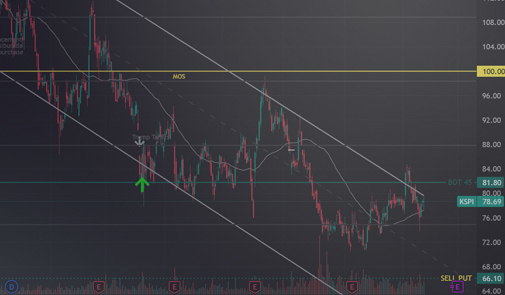
The entry must leave a meaningful buffer against uncertainty, estimation error, and adverse outcomes. An investment is made only when it trades well below a conservative estimate of intrinsic value.
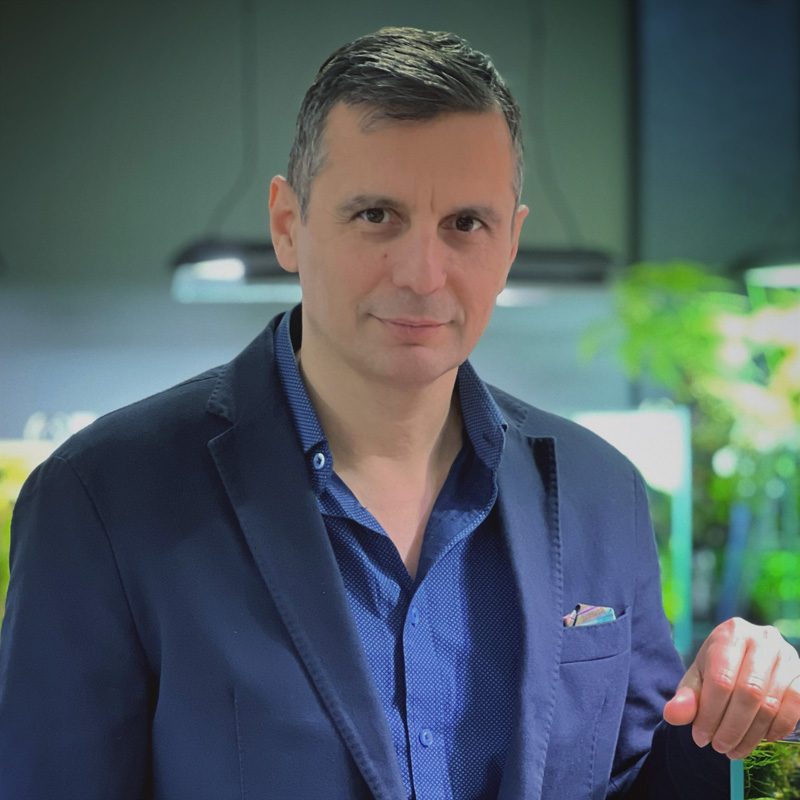
VALUATION & RISK4M Works founder Balázs Farkas is a private business owner with 25 years of experience in equities, derivatives, algorithmic trading, and long-term investing. This site documents his principles-based approach to capital allocation, grounded in a Christian ethic of stewardship, integrity, and value creation.
4M Works exists to share what has been learned through practice and to promote long-term, ownership-based investing. Readers who find the approach useful are welcome to reach out.